


Timber Sash Windows
What is a sash window?
Sash windows are the vertically-opening windows you often see on traditional buildings.
Sash windows come in a variety of different builds and styles. The most common types of sash windows are Georgian, Victorian and Edwardian windows - each varying slightly in style and number of windowpanes.
How much does a timber sash window cost?
As these are all bespoke products, you will naturally see a significant variation in cost. The price depends on how big or small the products are, how they're hung (whether on lead weights or springs), how difficult we expect the installation to be, and what type of glass we need to use.
We've compiled starting prices for some of the most popular types below. Larger windows cost more, so please bear in mind we'll need to measure your products to get an accurate costing. We provide site surveys as a completely free service. For a more in-depth look, take a look at our sash window cost calculator.
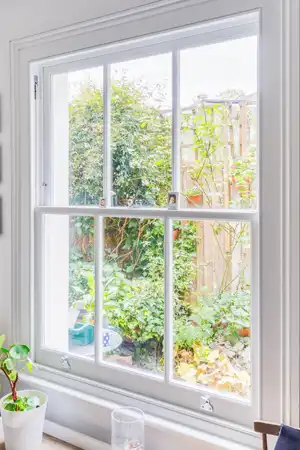
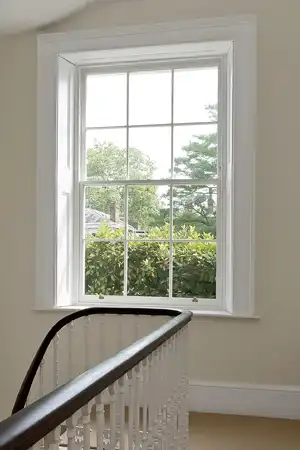
Ten traditional glazing styles.
Square & radius heads · starting prices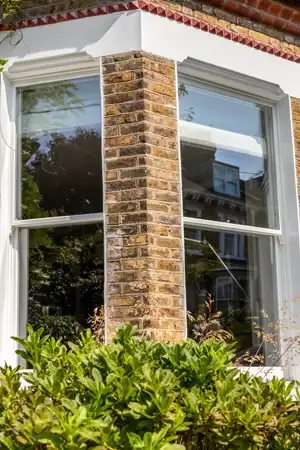
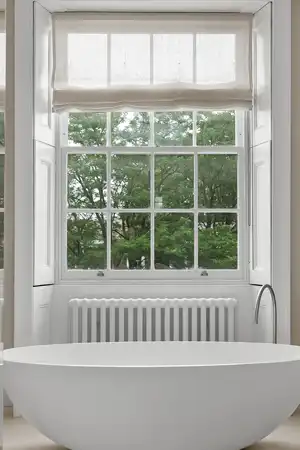
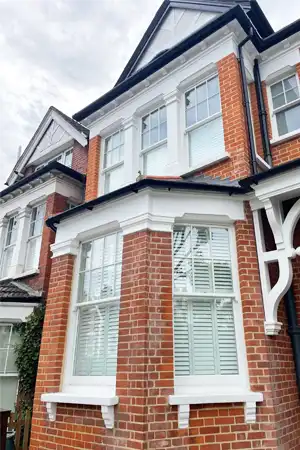
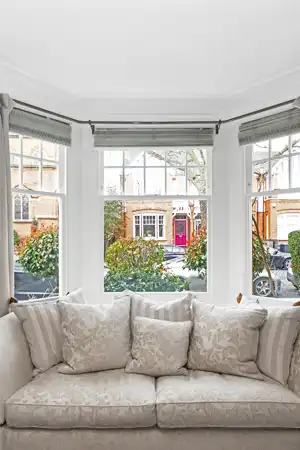
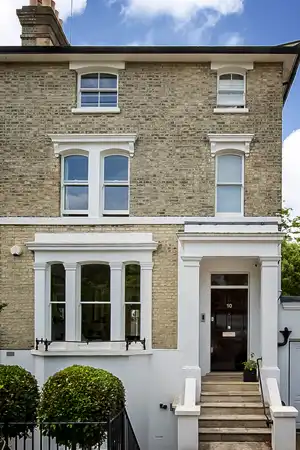
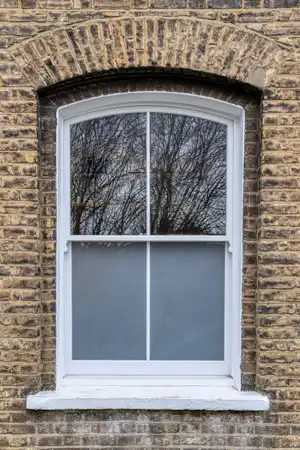
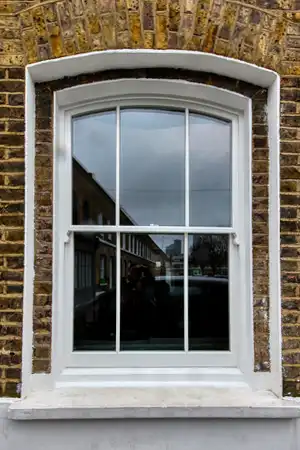
Can't find what you're looking for? Give us a call or send us an email.
Email usBuilt to replicate
the original.
Every sash window we make is designed to replicate the proportions and detailing of the original. Glazing bar profiles, horn details, meeting rails and profiles are all specified to match the period features of the original - a window that harkens back to Victorian, Georgian and Edwardian design, but with the performance of a modern product. Read more about our sash window replacement service.
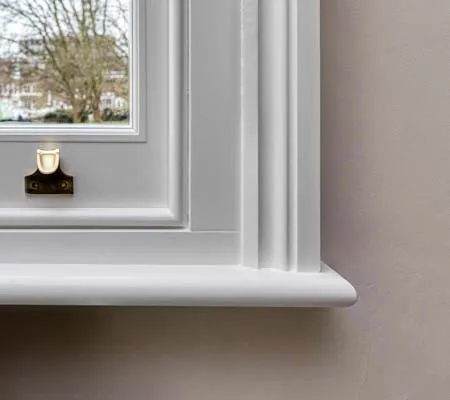
Architrave & Bullnose Sills
The architraves and bullnose mouldings that surround your sash windows are as much a part of your window's character as the frames themselves. All of our sash boxes come with these items.
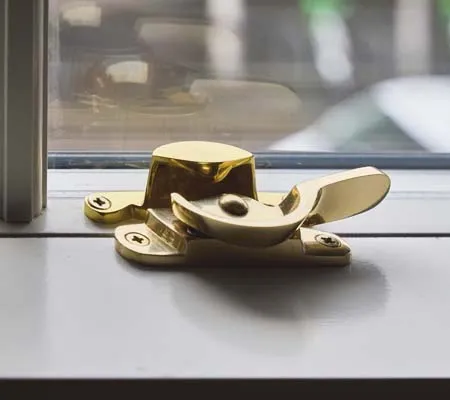
Traditional Furniture
The sash lifts, pulleys and fasteners on a period window are one of the most noticeable parts of your sash windows - often the difference between a beautiful traditional finish and something that looks bulky or too modern. We offer a range of traditional finishes, but if you have your own thoughts on what would work, just let us know.
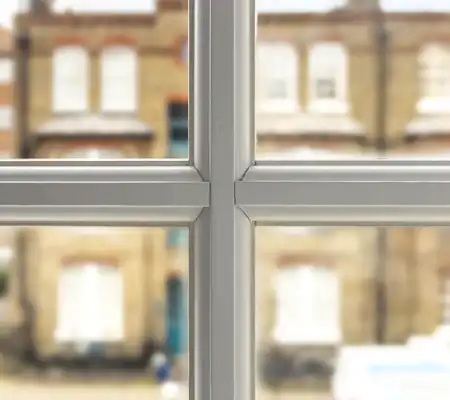
Ovolo Interior Glazing Bars
Ovolo glazing bars are a hallmark of traditional sash windows, giving the windows a sense of refinement that flat modern equivalents simply can't replicate. They use a rounded moulding profile to add soft, elegant contours.
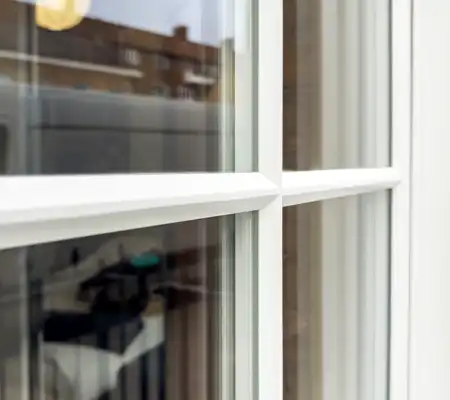
Chamfered Exterior Glazing Bars
Chamfered exterior glazing bars, with their clean angled profile, are a defining feature of many period sash windows - designed to shed rainwater efficiently while maintaining a sharp, elegant line.
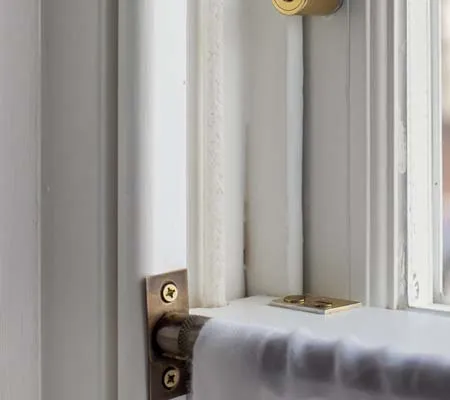
White Waxed Cotton Sash Cords
Replacing worn, dirty or broken sash cords with new, clean, white waxed cotton is one of the simplest ways to transform a tired old window into a gorgeous addition to your home.
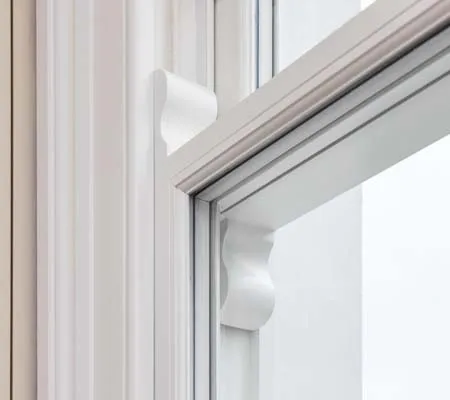
Sash Horns
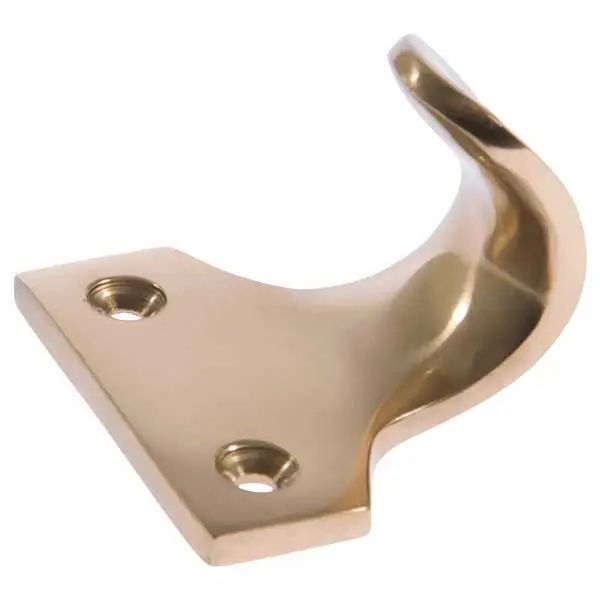
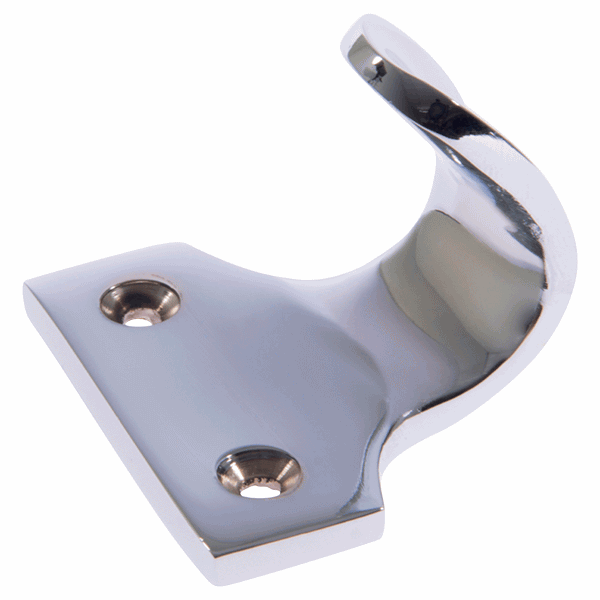
We reproduce sash horns to period profile with all of our new sash replacements or sash boxes, ensuring your windows retain the correct silhouette for their age and style.
Finished by hand,
on site.
Every window we install is hand-painted on site and finished with sand and cement pointing. It takes longer and costs more, but the result is a finish that really stands out and blends with our period design philosophy.
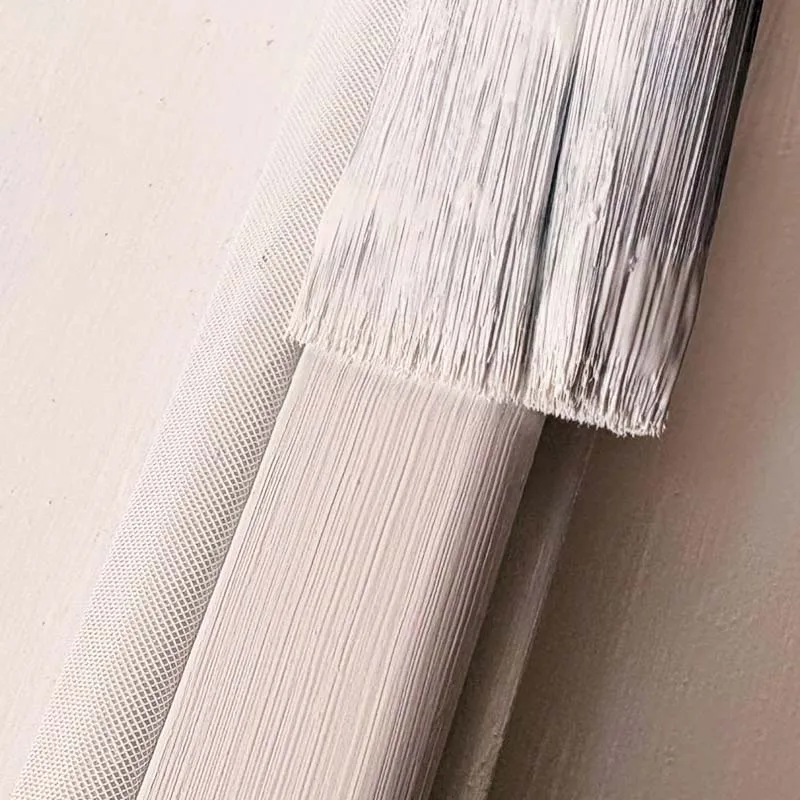
Hand-Painting
Every window we install is painted by hand on site. Although our windows come with two sprayed undercoats and two sprayed topcoats, we think the brush-stroke finish elevates the product and the workmanship.
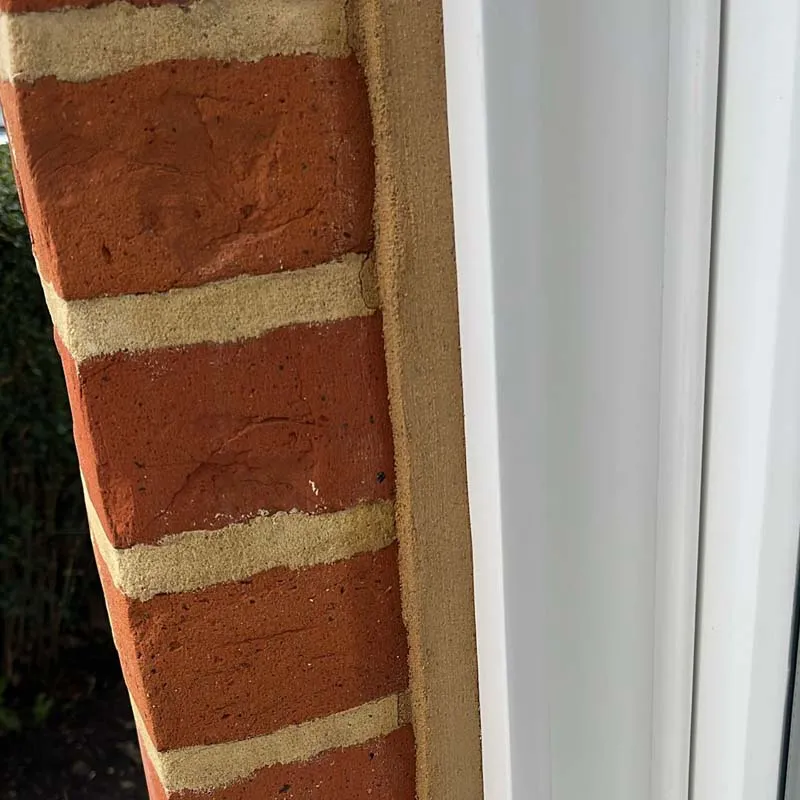
Sand & Cement Pointing
Once the window is installed, we seal the exterior with sand and cement raised pointing joints rather than mastic. It's a traditional method that looks more authentic, and won't discolour the way sealant does over time.
The right glass
for every opening.
Your sash windows are available with a range of glazing options to suit every requirement - whether you're reducing noise from a busy street, adding privacy, or meeting building regulations. Every option is supplied as a double glazed unit, low-E and argon filled as standard. If privacy is the concern, glass is not the only answer – our wooden window shutters are made to fit the same opening.
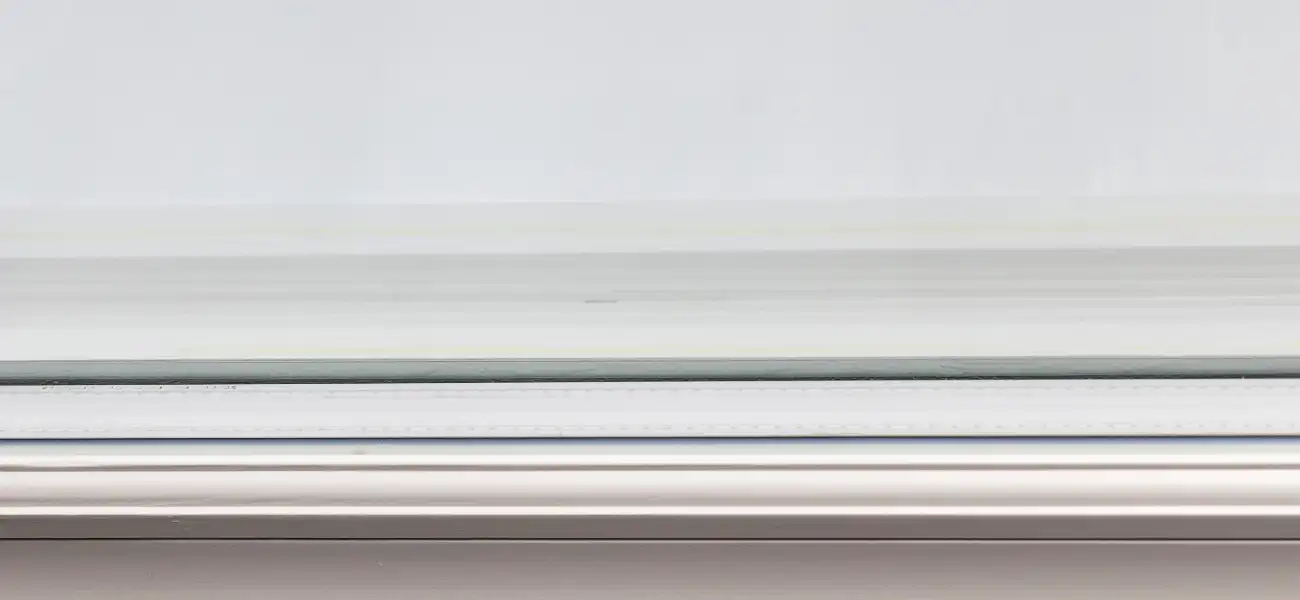
Clear glass is the standard option for sash windows. It's suitable for most residential properties, both period and contemporary. See the clear glass specification
Toughened glass is heat-treated to be significantly stronger than standard glass, and if it does break, it crumbles into small, blunt fragments rather than dangerous shards. It's the practical choice where safety is a priority, and in some cases is a legal requirement - for example in doors or window panes close to the floor. See the toughened glass specification
Acoustic glass uses a specialised interlayer or increased thickness to dampen sound transmission, making it ideal for properties on busy roads or in urban areas. It allows you to enjoy a quieter interior without compromising on light or the appearance of your windows. See the acoustic glass specification
Laminated glass bonds two or more panes around a tough interlayer, so if the glass is broken it holds together rather than falling away. This makes it an effective choice for enhanced security, as well as reducing the risk of injury from breakage. See the laminated glass specification
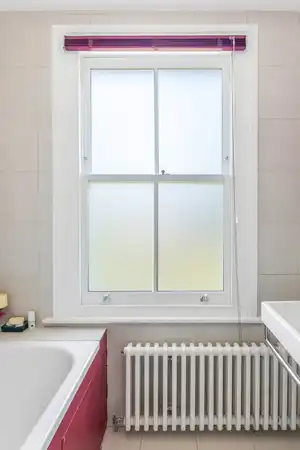
Satin glass obscures the interior while still allowing natural light to pass through. It's available in a range of different finishes - just ask a member of our team and they will be happy to advise you. See the satin glass specification
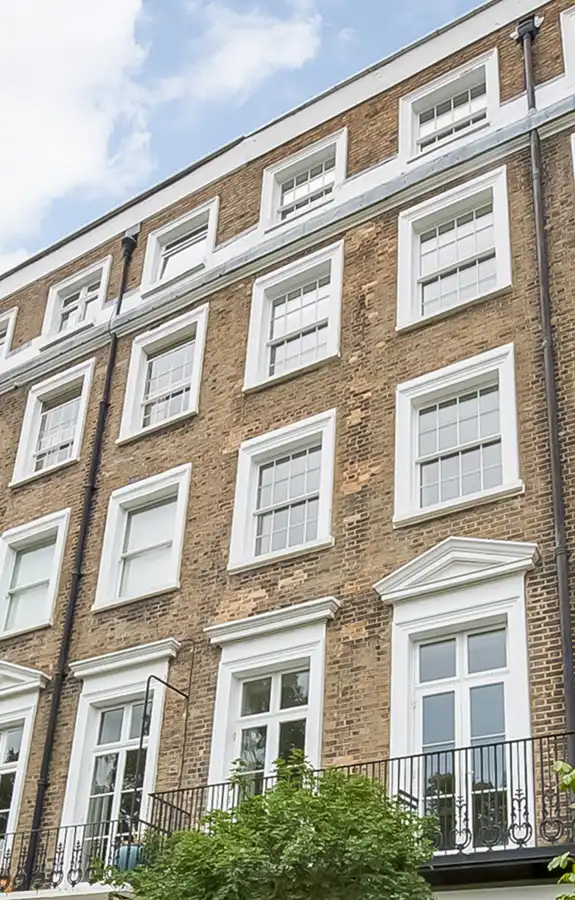
Approved by
planning officers.
Our timber sash windows are designed to satisfy the exacting requirements of conservation area and listed building planning officers. We've installed successfully in many conservation areas across London and are happy to provide technical drawings to support your planning application.
Our Heritage Range
The proportions, glazing bar profiles and finish of our heritage sash windows are all specified to match the period character of the Victorian, Georgian or Edwardian windows that planning officers seek. Please speak to our team and get drawings specific to your project if you're putting through an application.
Traditional Sash Window
Ironmongery.
Our traditional sash window furniture works well and looks great, with finish options like polished brass and satin chrome to match your space. But if you're after something different - a more traditional Fitch fastener, a Brighton fastener, or even a modern locking option - we can usually source and fit those too. Just let us know what you're looking for.
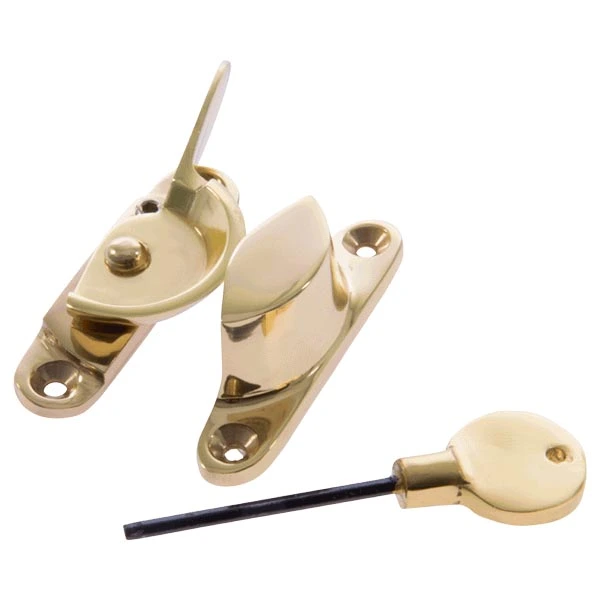
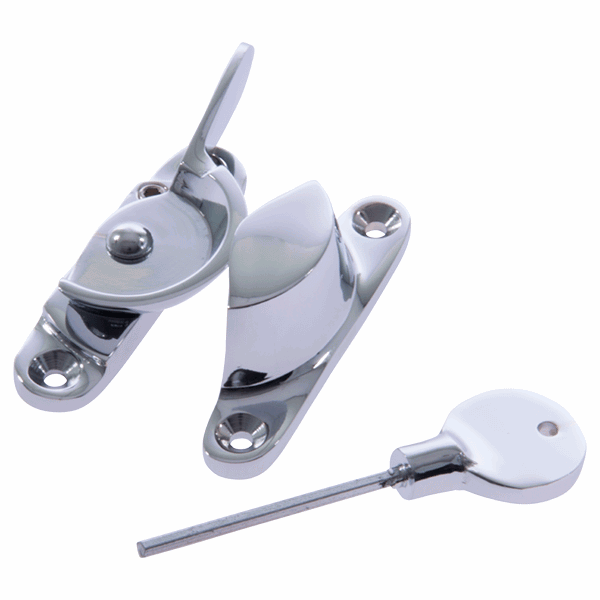
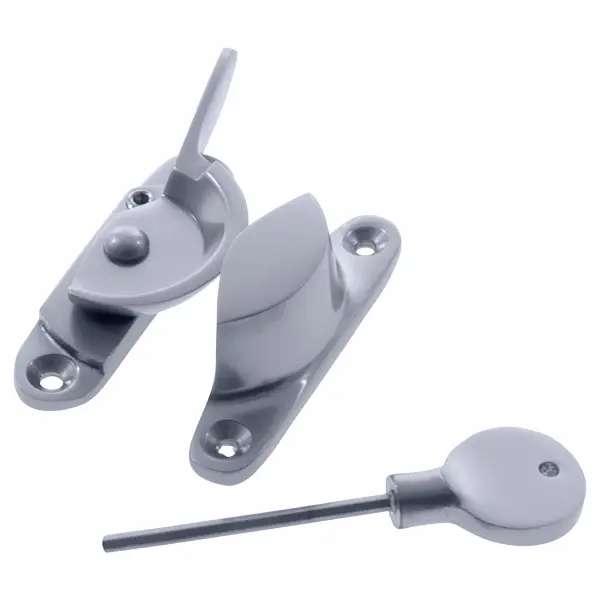
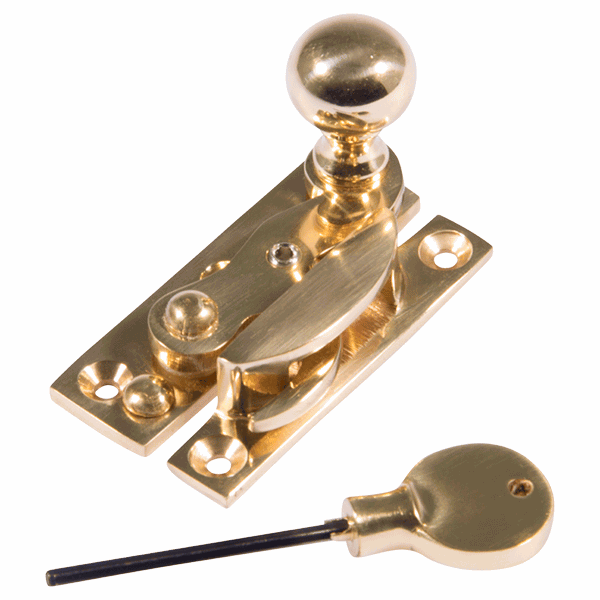
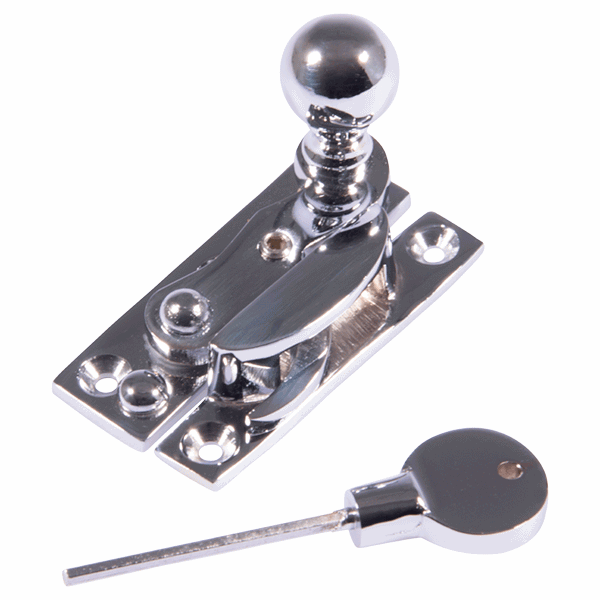
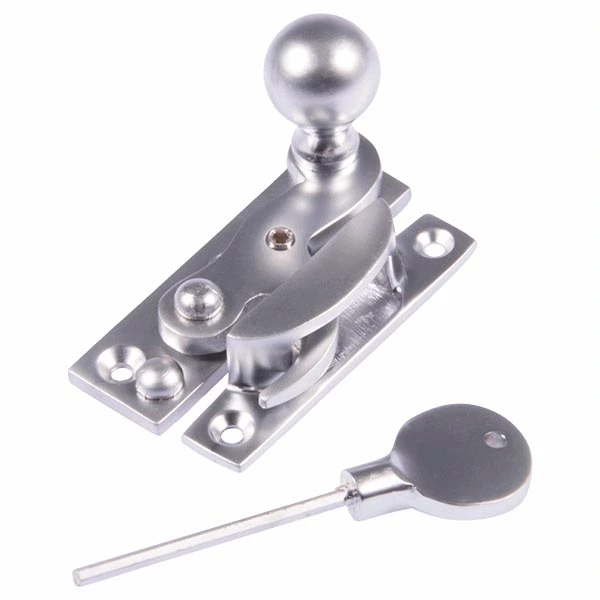
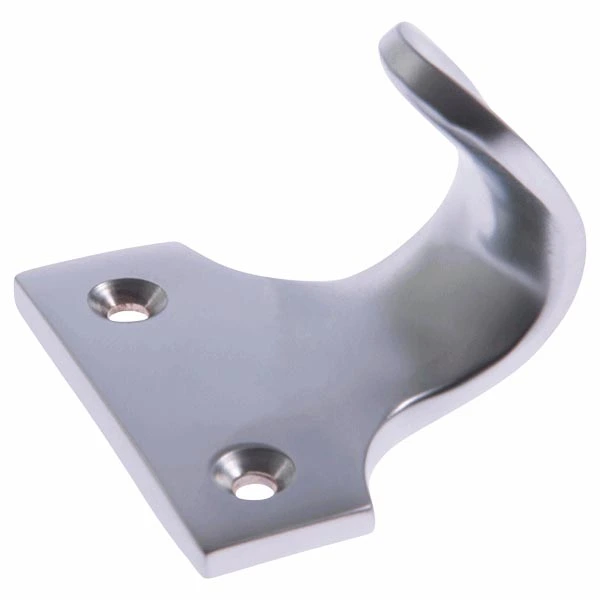
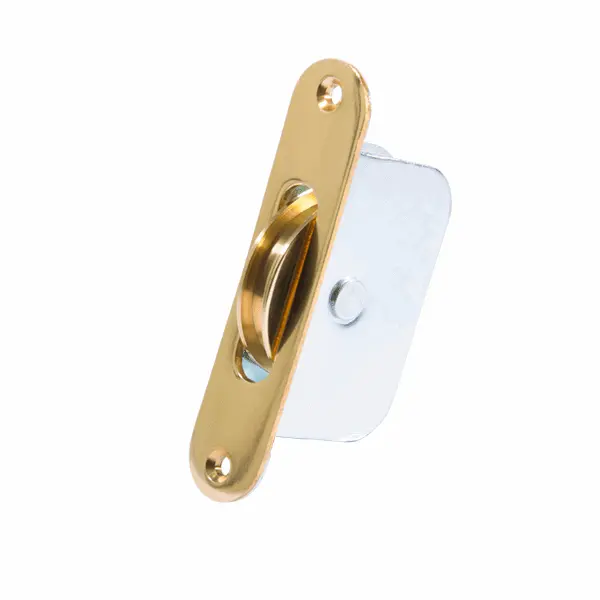
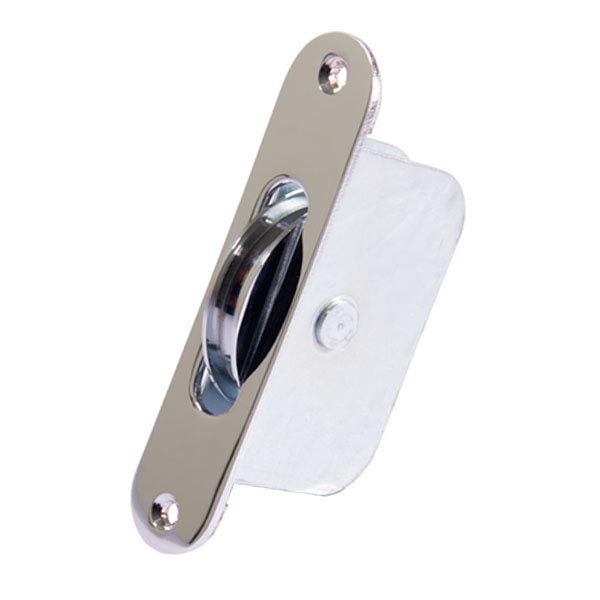
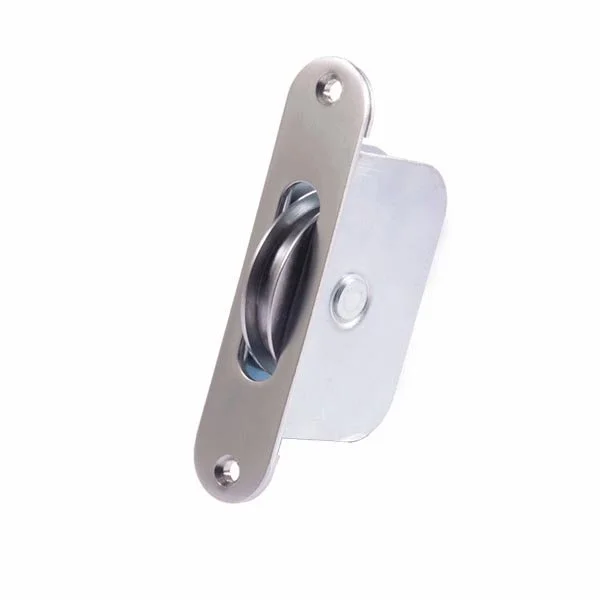
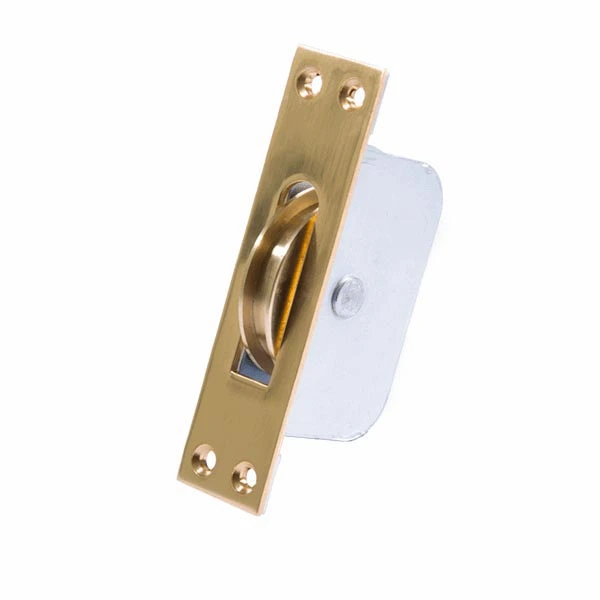
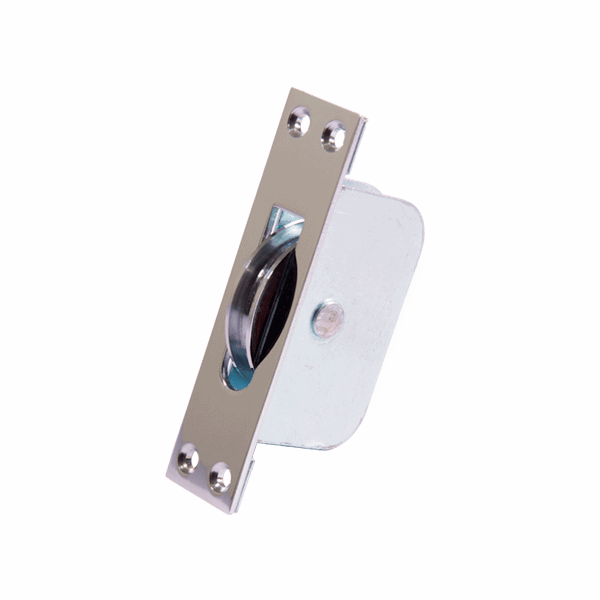
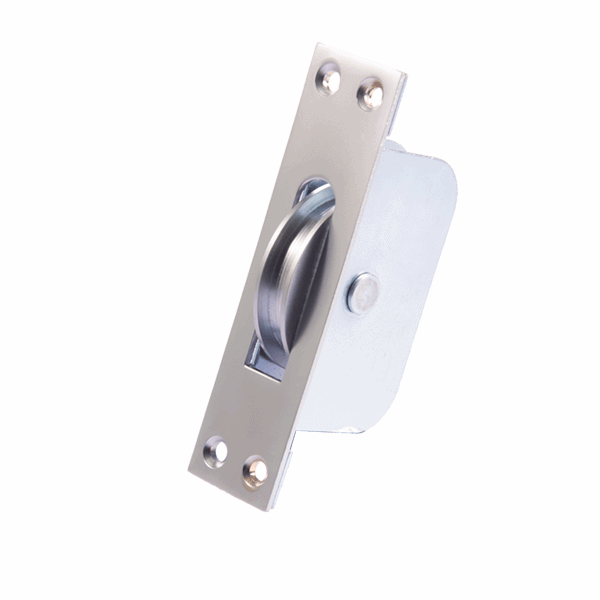
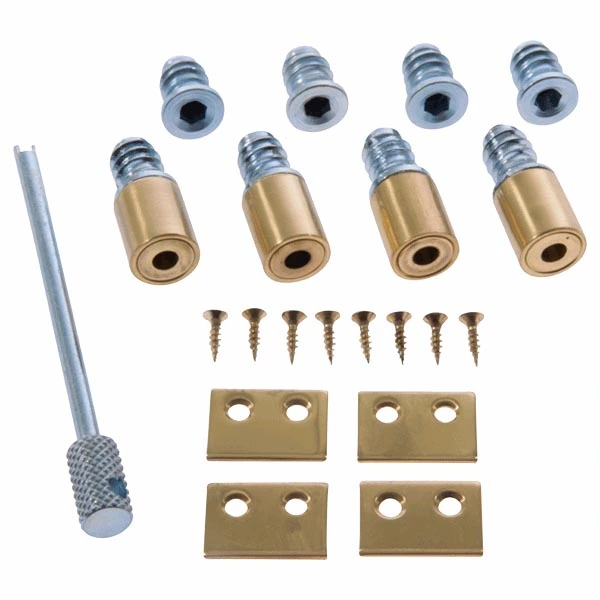
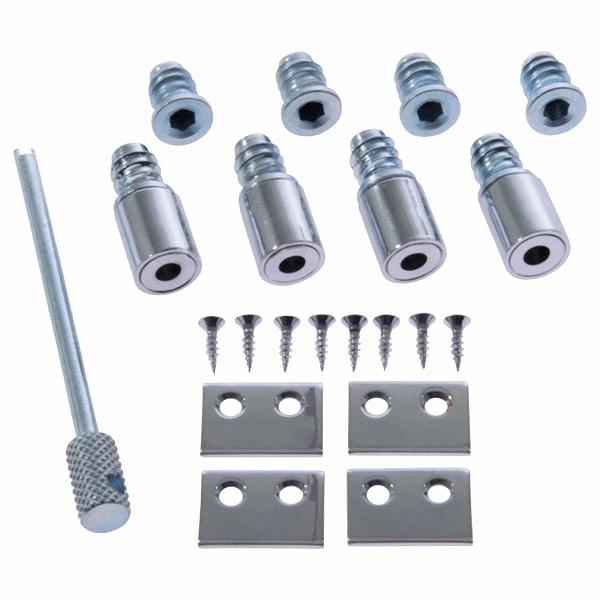
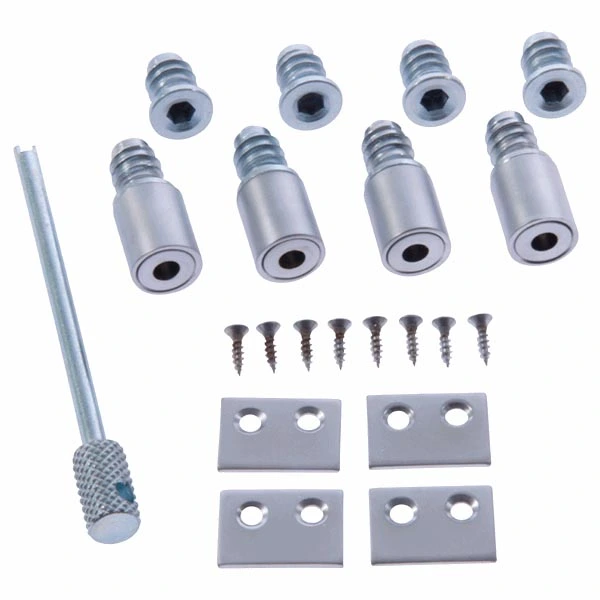
Fitch fasteners are supplied only with our box & sash replacements.
Any colour
from the RAL range.
Our sash windows are finished in your choice of colour from the RAL Classic range, giving you plenty of flexibility to suit your windows to the style of your home. We use durable, high-quality microporous paint designed to protect the timber while giving a smooth, long-lasting and breathable finish.
RAL Classic · 200+ shades · hand-painted finish
One standard,
three timbers.
We don't promote one type of timber over another - each option meets our high standards for quality, finish and durability. The main differences come down to cost and specific properties. Whatever the material, all our windows and doors are crafted to the same exacting standards. Engineered timber is what we prefer to use, laminated in opposing grains so it barely moves through the seasons, though solid timber can be provided on request.
Engineered Redwood is European Redwood, finger-jointed and laminated for stability, offering a smooth finish and good workability. It has a warm, pale yellow tone and takes paint and stain well, making it a popular choice for sash windows.
Engineered Red Grandis is a sustainably sourced hardwood with a consistent grain and pale pink to light reddish-brown colour. It is durable, stable, and ideal for exterior joinery due to its excellent machining properties.
Accoya is a modified softwood known for its exceptional durability, stability and resistance to rot. It's ideal for external applications like sash windows and comes with a 50-year guarantee.
Installations
across London.
We've installed timber sash windows in all kinds of homes across London, from Georgian and Victorian properties to listed buildings. Explore a selection of films from previous installations - so you can see the quality of our work for yourself.

Insurance-backed guarantee & FENSA certificate.
At Core Sash Windows, all of our windows come with a 10-year guarantee and are FENSA certified. This means the fitter has installed anything from our product range in accordance with strict health, safety and quality standards - meaning you're getting the best results.
Frequently asked
questions.
Provided you own the home, you do not need planning permission to change, replace or upgrade your sash windows, casements or doors. If you live in rented accommodation, you’ll need permission from the landowner before undertaking renovations.
Outdated sash windows are subject to wear and tear. If they’re not maintained properly, moisture can cause the timber in the frames to rot and weaken. This can cause the wood to warp and buckle - causing drafts and noisy rattling. Some of the signs your sash windows might need an upgrade are: Peeling paint Water Ingress Stiffness on operation Rattling on operation Self-raising or self-lowering Draughts or howling Rotten timber Bending, bowing or breaking of the timber However, with proper maintenance, sash windows can remain in tip-top condition for decades with the right fitter and quality materials. If you’ve noticed these symptoms on your windows, it might be time for an upgrade. Get an <a class="text-link" href="/do/">instant quote</a> or learn more about our <a class="text-link" href="/sash-window-replacement/">sash window replacement</a> process to find out how we can help you fit your dream windows.
Modern sash windows are incredibly safe. While contemporary sash windows may have been more susceptible to break-ins in the past, stronger double glazing, more durable timbers and security features - like sash window screw locks and fasteners - mean security issues are no longer a concern.
Measuring your sash windows may seem complicated, but it can be done in three easy steps. Extend the measuring tape down the entire vertical length of the sash box and record the measurement. Extend the measuring tape across the horizontal width and record the result. Send the measurements off to us - we’ll handle the rest. It’s crucial to remember that these measurements are only accurate for sash replacements. If you need the sash box changed as well, add 135mm to the vertical length and 150mm to the width to cover the measurements for the additional box unit. If you need additional assistance or are just unsure, we’ll conduct a no-obligation survey - free of charge - to give you peace of mind knowing everything’s being handled correctly.
Yes, it is possible to soundproof sash windows. While additional glazing reduces the sound naturally, discreet acoustic glass can be fitted for soundproofing.
A well maintained timber sash window can last a lifetime. We guarantee our materials and workmanship for 10 years. Please contact our office for all the specifics of our guarantee as some components are guaranteed for less time.
Yes. Most modern sash windows are available with double glazing. For period properties where slim sight lines matter, narrow glazing bars and shin units are available.
Older sash windows can let in draughts, but modern replacements use seals around the sashes to reduce this. Draught-proofing can also be retrofitted to existing windows at a fraction of the replacement cost.
It depends on the condition of your existing frames. If the timber is structurally sound, repair and draught-proofing is often the better value option. Take a look at our <a class="link-text" href="/sash-window-draught-proofing/">sash window draught proofing</a> page to see what we do for our draught proofing service. If the frames are rotten, warped, or the glazing is single-pane, replacement usually makes more sense long-term.